Farmhouse: The Colorful Dingbat Font for Rustic Design
A Fresh Take on the Rustic Aesthetic
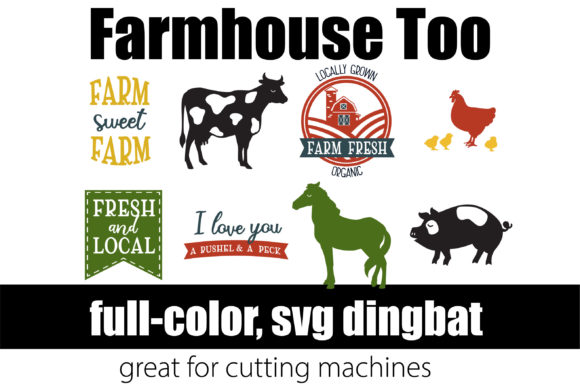
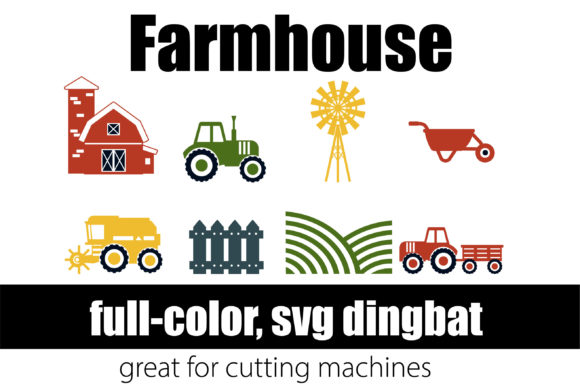
There is a specific kind of warmth that comes with modern rustic design. It’s the feeling of a reclaimed wood shelf, a cozy knit blanket, or a well-worn piece of pottery. The Farmhouse typeface captures this exact sentiment, but with a clever, contemporary twist. This isn’t just another serif font with a distressed texture. It’s a full-color dingbat font, a collection of illustrated farm elements that brings instant personality to any project. Think of it as a curated design asset kit, where each glyph is a small, vibrant piece of art.
The visual character of Farmhouse is defined by its charming, hand-drawn illustrations. Each element—from a rooster silhouette to a bundle of wheat or a classic tractor—is rendered with a soft, authentic feel. The "color" aspect is its superpower. Unlike traditional dingbats that require you to manually add color, this OpenType-SVG font arrives with its own built-in palette. This creates an immediate sense of depth and realism that flat vector graphics often lack. The personality is friendly, nostalgic, and approachable, making it a perfect display font for projects that need to feel human and genuine.
Where This Creative Font Truly Shines
The real value of a specialized asset like the Farmhouse font is in its application. It’s not meant for body text in a novel or a corporate report. Its strength lies in adding visual interest and thematic flair. For logo design, a single well-chosen element can become the cornerstone of a brand mark for a farm-to-table restaurant, a boutique soap company, or a local farmer’s market. It provides an instant visual shorthand for natural, wholesome, and artisanal qualities.
Beyond logos, its utility spans a wide range of creative projects. Imagine using it in packaging design for a line of preserves or baked goods—the illustrations become part of the product’s story. In editorial design, these glyphs can serve as charming section breaks or pull-quote decorations in a food blog or lifestyle magazine. For social media graphics, they are perfect for creating engaging Instagram stories, Pinterest pins, or Facebook headers that stop the scroll. They can also elevate web design as decorative elements on a homepage banner or a "About Our Farm" page.
For crafters and hobbyists, the font is a gateway to personalized projects. It works beautifully in Silhouette and other compatible software for creating custom decals, t-shirt designs, tote bags, and greeting cards. The key is to use it as an accent, a decorative element that supports your primary message rather than carrying it. It’s the cherry on top, not the entire sundae.
Integrating Farmhouse Into Your Brand Identity
Choosing a premium font like this is a strategic decision. When used thoughtfully, it can significantly influence brand perception. The Farmhouse aesthetic communicates specific values: tradition, simplicity, quality, and a connection to the land. This can help a small business or blog build a brand identity that feels authentic and trustworthy. It creates immediate recognition—when your audience sees those familiar farm motifs, they associate them with your brand’s story.
However, professionalism requires restraint. The most successful applications use these illustrations sparingly. Overusing them can make a design feel cluttered or kitschy. The goal is to enhance visual hierarchy and audience engagement, not overwhelm the viewer. A single, well-placed chicken illustration next to a headline can draw the eye and add character. A dozen of them scattered randomly will create chaos.
Practical Guidance for Designers and Creators
Before integrating Farmhouse into a project, a few practical steps are essential. First, always test the font in your specific design software. Remember, its color SVG format is compatible with programs like Adobe Photoshop, Illustrator, and Inkscape, but it will not work as intended in Cricut Design Space or other software that doesn’t support color fonts. You’ll see a monochrome version or a placeholder.
Second, think critically about font pairing. The charming, illustrative nature of Farmhouse pairs best with clean, simple typefaces. A sturdy sans serif font for headlines or a clean serif font for body text will provide a balanced contrast, letting the dingbat elements pop without competing for attention. Avoid pairing it with other highly decorative or script fonts, as this can lead to visual noise.
Finally, always review the included styles and licensing. Understand what commercial license you are purchasing and how you can legally use the illustrations in client work or products for sale. For a deeper dive into using color fonts effectively, consulting a resource like an Ultimate Font Guide can provide invaluable technical and creative insights, ensuring you get the most out of this unique design asset.
In the end, the Farmhouse